
Platelet-Rich Plasma (PRP) Therapy in Miami
Using concentrated autologous platelets and bioactive signaling proteins to support the body’s natural healing response and improve joint function. Guided by Dr. Nina Gupta, MD, with real-time ultrasound precision in Miami, Florida.
What is PRP and How Does It Support Joint Health?
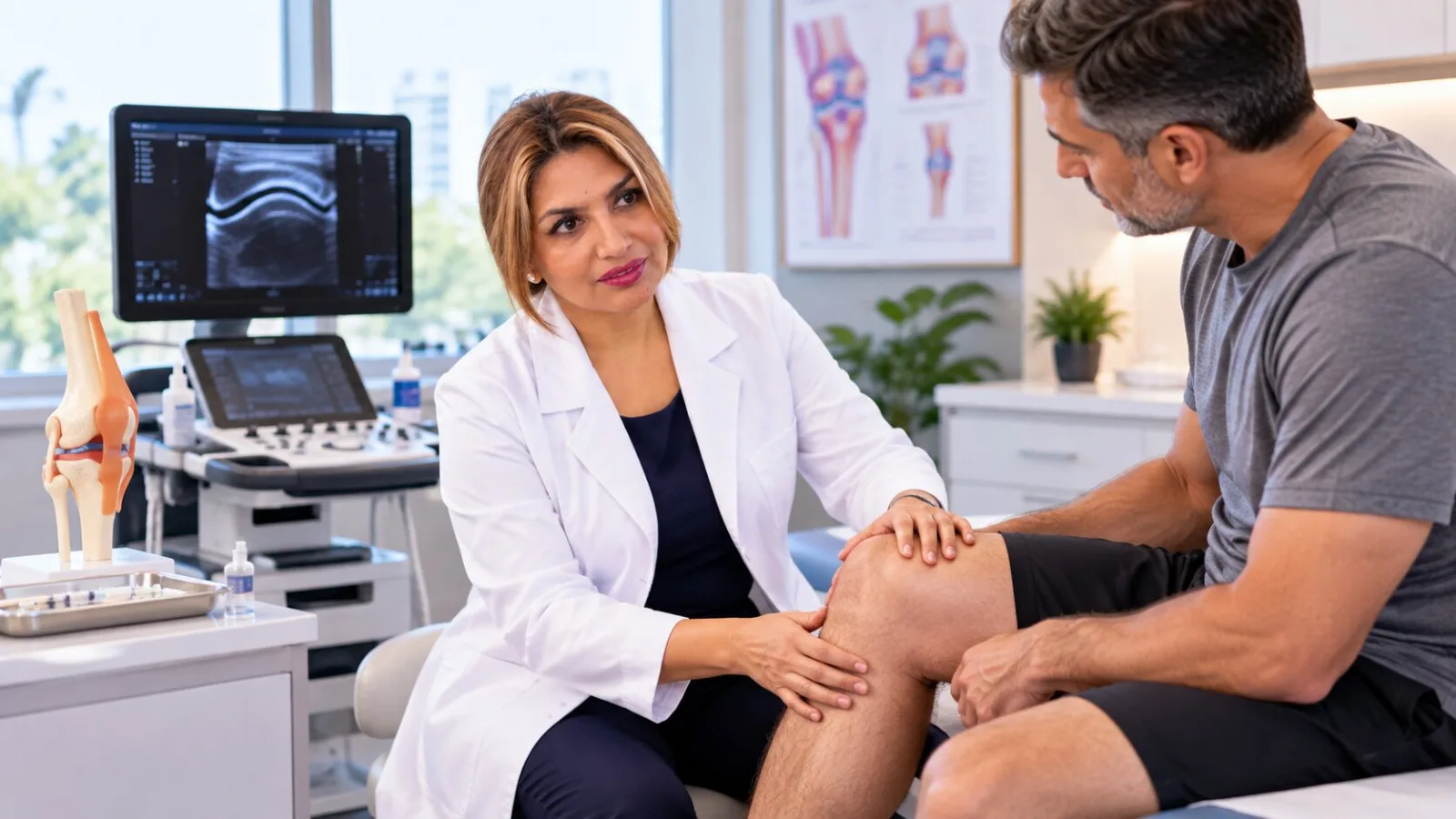
PRP therapy for the shoulder, hip, knee, and other joints is a regenerative medicine approach that uses a concentration of the patient’s own platelets. When clinically appropriate, PRP may be used to support the body’s natural healing response and may help improve pain and function in certain musculoskeletal conditions. Image guidance may be used when appropriate to assist with precise placement of the injection. Individual results vary, and PRP is not guaranteed to repair or regenerate damaged cartilage or other joint tissues.
Ultrasound Guidance for Anatomical Accuracy
Blind landmark injections can miss targeted intra-articular spaces or tendon tears. At Longevity Institute Miami, PRP procedures utilize high-resolution musculoskeletal ultrasound visualization to assist with anatomical needle positioning and targeted delivery into the affected joint or soft tissue.
Bioactive Growth Factors Inside PRP
PDGF & TGF-Beta
Platelet-Derived Growth Factor and Transforming Growth Factor-Beta support cell proliferation, collagen synthesis, and local tissue remodeling.
VEGF & FGF
Vascular Endothelial Growth Factor and Fibroblast Growth Factor participate in signaling pathways that support local microvascular remodeling in hypovascular tendons.
EGF & IGF-1
Epidermal Growth Factor and Insulin-Like Growth Factor-1 assist cellular survival and biological signaling within joint and connective tissues.
Autologous Preparation
Prepared from your own blood, substantially reducing the risk of foreign-tissue immune rejection. As with any injection, procedural risks such as transient local pain, swelling, or rare infection remain possible.
Conditions Evaluated for PRP Therapy
- Mild-to-Moderate Knee Osteoarthritis: Supporting joint comfort, synovial lubrication, and functional mobility in early-to-mid stage degenerative changes.
- Rotator Cuff Tendinopathy & Shoulder Impingement: Supporting healing in partial tendon tears and chronic subacromial inflammation.
- Epicondylitis (Tennis & Golfer's Elbow): Managing persistent lateral and medial elbow tendinopathy refractory to conservative physical therapy.
- Achilles Tendinopathy & Plantar Fasciitis: Fostering cellular signaling in chronically degenerate foot and ankle tendons.
Clinical Recovery, Realistic Risks & Condition Limitations
Realistic Recovery: PRP initiates a controlled healing cascade, and patients frequently experience a temporary inflammatory flare with localized soreness, stiffness, or aching for 24 to 72 hours. While patients walk out after treatment, the protocol requires 48–72 hours of relative rest (avoiding strenuous impact, heavy lifting, and anti-inflammatory NSAIDs) followed by progressive physical rehabilitation.
Pathology Limitations: PRP is not a universal cure and is not guaranteed to regrow lost articular cartilage. Advanced end-stage joint disease (Kellgren-Lawrence Grade 4 "bone-on-bone" osteoarthritis) and complete retracted tendon tears have significantly lower response rates and may require orthopedic surgical evaluation.
What to Expect During a PRP Session
The entire outpatient procedure takes approximately 60 minutes:
Medical References & Scientific Sources
- Filardo, G., et al. "Platelet-rich plasma intra-articular knee injections show significant improvement in pain and joint function in osteoarthritis: a meta-analysis." Knee Surgery, Sports Traumatology, Arthroscopy, 2021.
- LaPrade, R. F., et al. "Biologic Treatments for Sports Injuries II Think Tank—Current Concepts, Future Directions, and Best Practices." The American Journal of Sports Medicine, 2016.
- Florida Department of Health. "Florida Statute § 458.3245 — Mandatory Medical Disclosures for Non-FDA Approved Cellular Therapies." 2026.
Regenerative & Joint Care
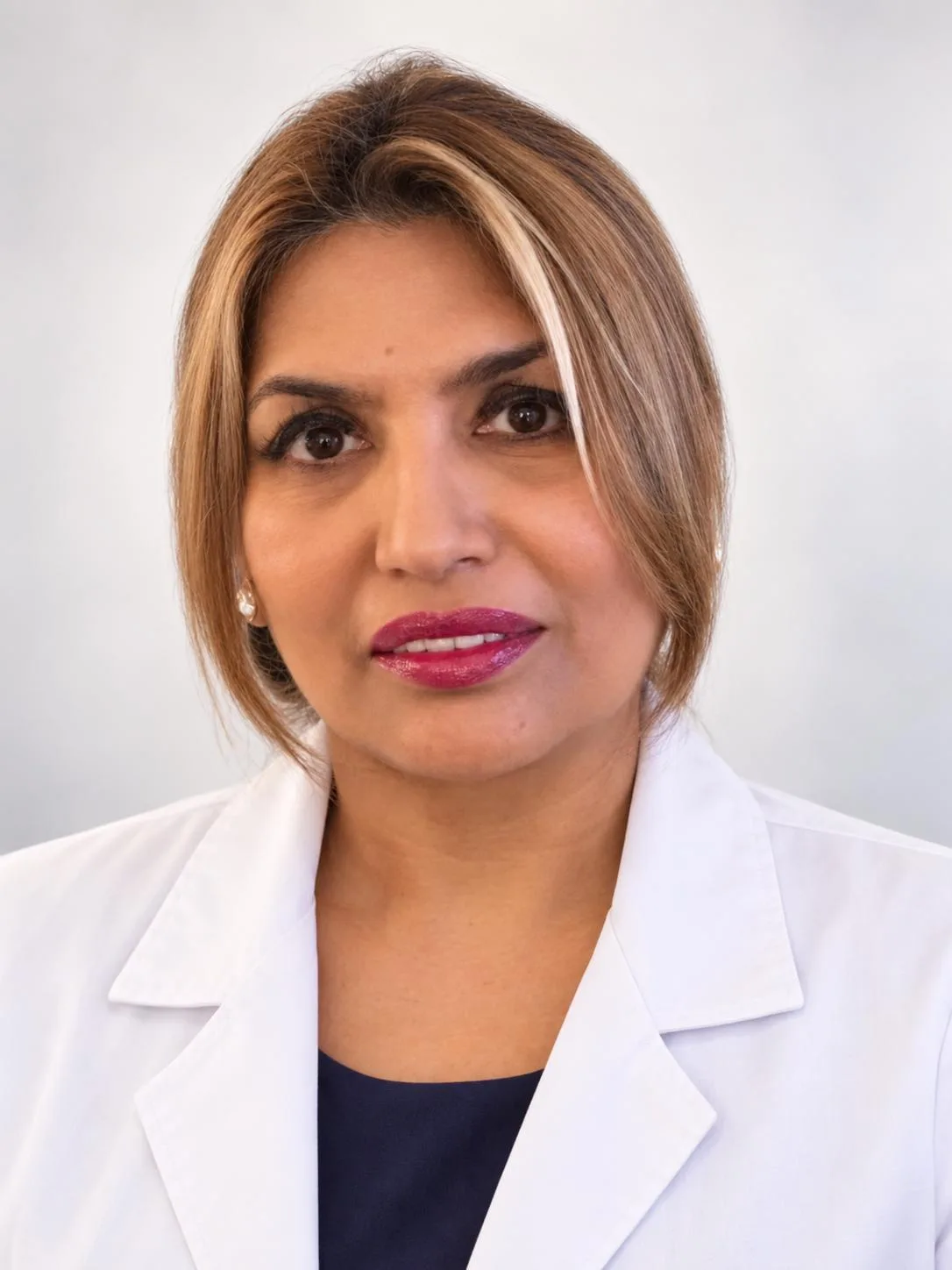
Dr. Nina Gupta, MD
ABAARM, FAARM, AASCPOver 37 years of clinical medical experience specializing in personalized longevity and physician-led regenerative care in South Florida.
Call / Text: 305-934-9149 Book ConsultationSchedule a PRP Consultation
Have Dr. Nina Gupta evaluate your joint, tendon, or ligament injury for high-concentration Platelet-Rich Plasma therapy.
Autologous growth factor signaling delivered with high-resolution musculoskeletal ultrasound precision.