
Regenerative Medicine in Miami
Regenerative medicine is an evolving field focused on how the body responds to injury, inflammation, tissue damage, and the biological processes involved in repair. At Longevity Institute Miami, Nina Gupta, MD, ABAARM, FAARM provides physician-led regenerative medicine evaluations for patients seeking a personalized approach to joint, musculoskeletal, and age-related health concerns.
Rather than beginning with a particular injection or procedure, we begin with a more important question: What is causing the problem, and which treatment approach makes sense for you? Your evaluation may include your medical history, symptoms, previous treatments, physical findings, imaging when appropriate, overall health, and individual goals.
What Is Regenerative Medicine?
Regenerative medicine encompasses medical approaches that investigate or use biological processes involved in healing, cellular communication, inflammation, and tissue repair.
Depending on the patient’s condition and clinical circumstances, regenerative approaches may include treatments involving platelet-rich plasma (PRP), platelet-derived biologic preparations, or certain cellular therapies.
Treatments Are Not Interchangeable
Regenerative treatments differ in how they are prepared, their biological components, their regulatory status, the evidence supporting their use, and the conditions for which they may be considered. At Longevity Institute Miami, our goal is not to promote a single regenerative treatment for every patient. The goal is to determine whether a regenerative approach is medically appropriate and, when it is, which option deserves consideration.
How Does Regenerative Medicine Work?
The body’s response to injury involves a complex interaction among cells, platelets, proteins, signaling molecules, immune pathways, blood vessels, and surrounding tissues. Regenerative medicine seeks to better understand and, in selected circumstances, use aspects of these biological processes. Several mechanisms are being studied:
Cellular Signaling
Cells communicate through chemical signals that can influence surrounding tissues, cell migration, and biological responses.
Growth Factors
Platelets and other biological sources contain signaling proteins involved in the body's normal, physiological responses to tissue injury.
Inflammatory & Immune Responses
Inflammation is part of normal injury response. Research investigates how regenerative approaches interact with and modulate inflammatory pathways.
Extracellular Vesicles & Paracrine Signaling
Mesenchymal stromal cell research focuses heavily on paracrine signaling, including the release of biologically active secretomes and extracellular vesicles.
Tissue-Repair Pathways
Regenerative medicine research examines how biological cascades may influence local joint microenvironments and physiological repair processes.
Critical Distinction: Understanding a biological mechanism does not prove that a particular treatment will produce a specific clinical result. That distinction is essential for honest, evidence-informed medical practice.
Regenerative Medicine Options
Different regenerative therapies may be appropriate for different clinical situations. At Longevity Institute Miami, we provide comprehensive evaluations to match patients with the most suitable, medically sound therapy:
Platelet-Rich Plasma — PRP
Explore PRP Therapy in MiamiPRP is prepared from a patient’s own blood. After blood is collected, it is processed to concentrate platelets within a portion of the plasma. Platelets contain numerous signaling proteins and growth factors involved in the body’s normal response to injury.
PRP has been studied for a variety of musculoskeletal conditions, including selected tendon and joint problems. The preparation technique, platelet concentration, patient characteristics, diagnosis, and treatment protocol can all influence the final product and potentially the clinical response.
Stem Cell-Based Therapy
Explore Stem Cell Therapy in MiamiMesenchymal stromal cells, commonly called MSCs, are among the most extensively studied cells in regenerative medicine. Research suggests their biological activity may involve signaling molecules, cytokines, extracellular vesicles, and interactions with inflammatory and immune pathways.
Stem cell-based treatments should not be described as simply replacing damaged tissue or automatically growing new cartilage. Many stem cell products and proposed uses remain investigational or are not FDA approved for the treatment of specific orthopedic conditions.
Other Emerging Cellular Research
Muse Cell Research & ConsultationRegenerative medicine continues to evolve, and new biological concepts (such as stress-enduring Muse cells) frequently attract scientific attention. Newer does not automatically mean established or clinically proven.
Before considering an emerging therapy, patients should understand what is being administered, the quality of available human evidence, its regulatory status, potential risks, alternatives, and what remains uncertain.
Regenerative Medicine for Joint & Musculoskeletal Health
Joint and musculoskeletal conditions are a major focus of regenerative medicine research. At Longevity Institute Miami, we evaluate selected patients with orthopedic, joint, tendon, and soft-tissue concerns to determine whether a regenerative approach may be reasonable:
Knee Pain & Osteoarthritis
Knee pain can result from osteoarthritis, meniscal problems, tendon disorders, previous injury, or biomechanics. The first step is identifying the source and severity of the problem.
Explore Knee Regenerative MedicineShoulder Conditions
Shoulder pain may involve the rotator cuff, tendons, bursa, cartilage, or joint structures. A proper diagnosis is essential before deciding whether regenerative treatment is viable.
Explore Shoulder Regenerative MedicineHip Conditions
Hip pain can arise from osteoarthritis, tendon problems, soft-tissue disorders, or referred pain. Regenerative treatment is not appropriate for every source of hip pain.
Explore Hip Regenerative MedicineOsteoarthritis
Osteoarthritis is a complex disorder involving bone, cartilage, synovial tissue, and inflammation. Treatment needs to consider the whole joint and the individual patient.
Explore Regenerative Medicine for OsteoarthritisTendon & Soft-Tissue Conditions
Explore Tendon & Soft-Tissue CareTendons and soft tissues can be difficult to heal due to vascular structure and repetitive mechanical load. PRP and orthobiologics have been studied for selected tendon and soft-tissue conditions.
Your Regenerative Medicine Evaluation
One of the most important principles at Longevity Institute Miami is that regenerative medicine should not begin with selecting an injection. It begins with understanding the patient.
Step 1 — Medical Evaluation
Dr. Gupta reviews your symptoms, medical history, current medications, previous treatments, physical activity level, and personal functional goals.
Step 2 — Diagnostic Review
Existing X-rays, MRI studies, ultrasound findings, laboratory testing, or other medical records are reviewed. Additional targeted diagnostics may be recommended when medically appropriate.
Step 3 — Determine Candidacy
The diagnosis, severity of the condition, overall health, previous treatments, and other individual factors are considered. Not every patient who requests regenerative treatment will be an appropriate candidate.
Step 4 — Compare Your Options
Depending on the condition, options may include exercise, physical therapy, weight management, medication, conventional injections, PRP, other regenerative approaches, or orthopedic evaluation.
Step 5 — Develop a Personalized Plan
When regenerative medicine is appropriate, the treatment and follow-up strategy is individualized rather than based on a standardized commercial package.
Regenerative Medicine Through a Longevity Lens
An injured or painful joint does not exist separately from the rest of the body. Muscle strength, body composition, metabolic health, nutrition, physical activity, sleep, hormones, and other health factors can influence mobility, recovery, and long-term function.
This is where regenerative medicine and longevity medicine naturally intersect. For appropriate patients, we may consider factors such as:
The objective is not to order every possible test or treatment. It is to identify factors that may actually matter for the individual patient.
Explore Longevity Medicine in MiamiWhy Choose Longevity Institute Miami?
Meet Nina Gupta, MD, ABAARM, FAARM
Dr. Nina Gupta brings more than 37 years of medical experience to her work in longevity and regenerative medicine. Her approach combines traditional medical evaluation with advanced training in longevity, functional, anti-aging, and regenerative medicine.
At Longevity Institute Miami, regenerative medicine is not approached as a one-size-fits-all procedure. Patients receive a thorough medical evaluation before recommendations are made. Potential benefits, risks, limitations, alternatives, and uncertainties are discussed openly so patients can make informed decisions about their care.
"Use the diagnosis to guide the treatment—not the treatment to define the diagnosis."
Understanding Evidence, FDA Status & Emerging Therapies
Regenerative medicine includes treatments at very different stages of scientific and regulatory development. Some uses of PRP have been studied in numerous clinical trials and incorporated into areas of orthopedic and sports medicine practice. Cell-based therapies are more complex. Many stem cell and regenerative medicine products promoted for orthopedic and other conditions are not FDA approved for those uses.
Critical Scientific Distinctions:
It is important to distinguish among:
These are not equivalent. A treatment may have promising biological research without having established clinical effectiveness for a particular condition. Similarly, the fact that a therapy can legally be provided under a particular regulatory framework does not mean that it is FDA approved or guaranteed to work.
Stem Cell Therapy & Florida Law
Florida law establishes specific requirements governing certain non-FDA-approved stem cell therapies performed by physicians within defined areas of medical practice.
Patients considering these therapies should receive appropriate information about the treatment, potential risks, alternatives, FDA approval status, and limitations of available evidence. Legal availability should never be interpreted as proof that a therapy is appropriate for every patient or effective for every condition.
Learn More About Stem Cell Therapy in MiamiFrequently Asked Questions About Regenerative Medicine
Medical References & Scientific Sources
- American Academy of Orthopaedic Surgeons (AAOS). Management of Osteoarthritis and Orthobiologics Guidelines.
- U.S. Food and Drug Administration (FDA). Regulatory Framework for Human Cells, Tissues, and Cellular and Tissue-Based Products (HCT/Ps).
- Journal of Clinical Orthopaedics and Related Research. Platelet-Rich Plasma and Cellular Therapies in Musculoskeletal Medicine.
- Florida Legislature. Florida Statute §458.3245: Standardized Disclosures for Regenerative Medicine Interventions.
Regenerative & Joint Care
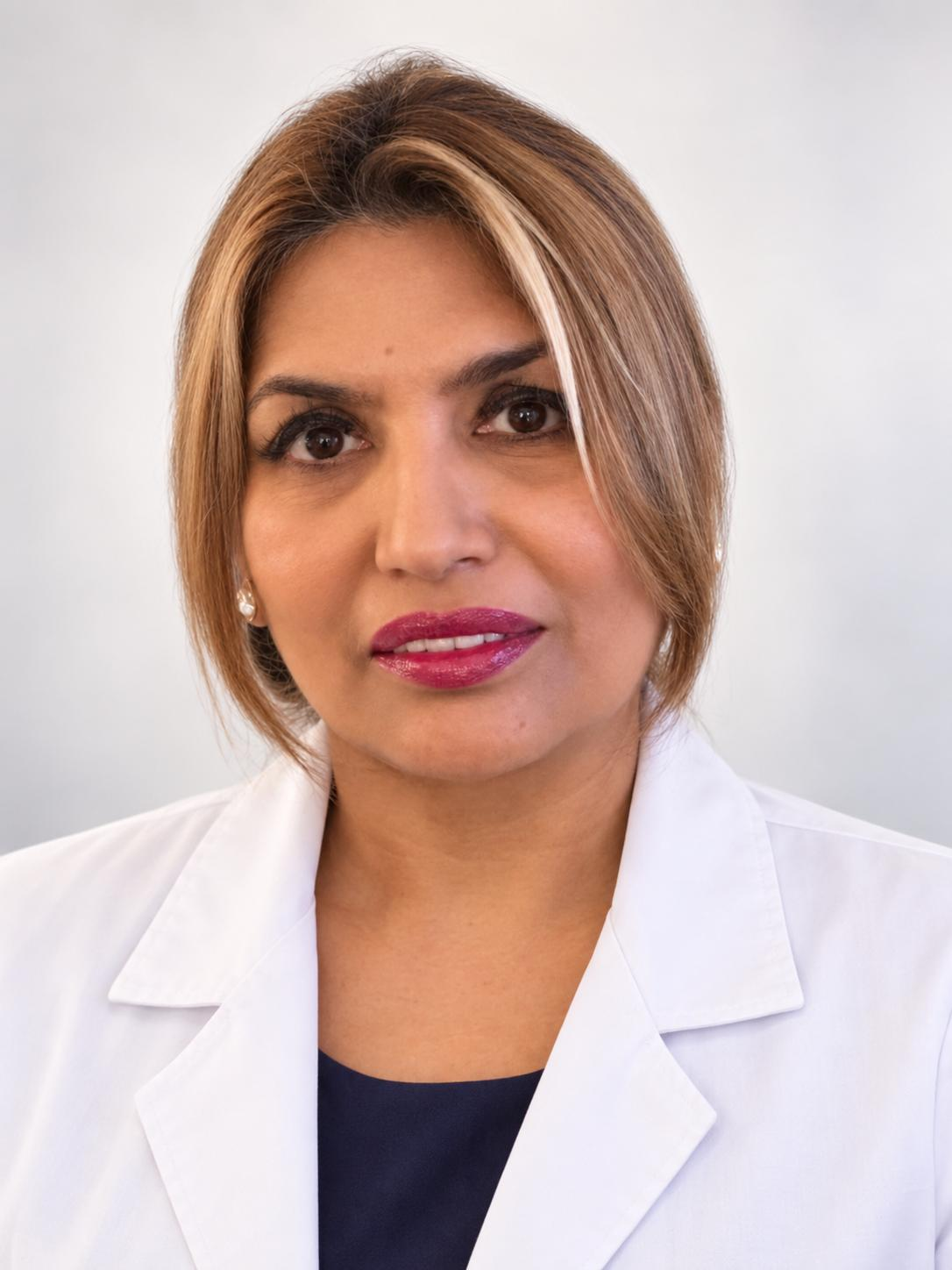
Dr. Nina Gupta, MD
ABAARM, FAARM, AASCPOver 37 years of clinical medical experience specializing in personalized longevity and physician-led regenerative care in South Florida.
Call / Text: 305-934-9149Is Regenerative Medicine Right for You?
Regenerative medicine offers an expanding range of possibilities, but more treatment is not necessarily better treatment. The right approach begins with an accurate diagnosis, realistic expectations, and an understanding of your options.
At Longevity Institute Miami, Nina Gupta, MD evaluates each patient individually before recommending a regenerative treatment. If you are dealing with persistent joint pain, osteoarthritis, or a tendon/soft-tissue condition, schedule your evaluation below.