
Muse Cells in Regenerative Medicine: A Physician-Guided Consultation in Miami
Muse cells are being studied as a potential tool in regenerative medicine. They are not an established treatment for healthy aging, joint disease, brain fog, heart disease, or other conditions. At Longevity Institute Miami, Dr. Nina Gupta, MD, ABAARM, FAARM offers a private physician consultation to explain the science, review a patient’s medical concerns, and discuss appropriate care and research options. This page does not state that the clinic currently administers a Muse cell product.
Before pursuing any experimental or advertised cellular product, patients need clear, unbiased medical insight regarding what the human clinical evidence actually demonstrates, what remains unknown, and what regulatory safeguards apply.
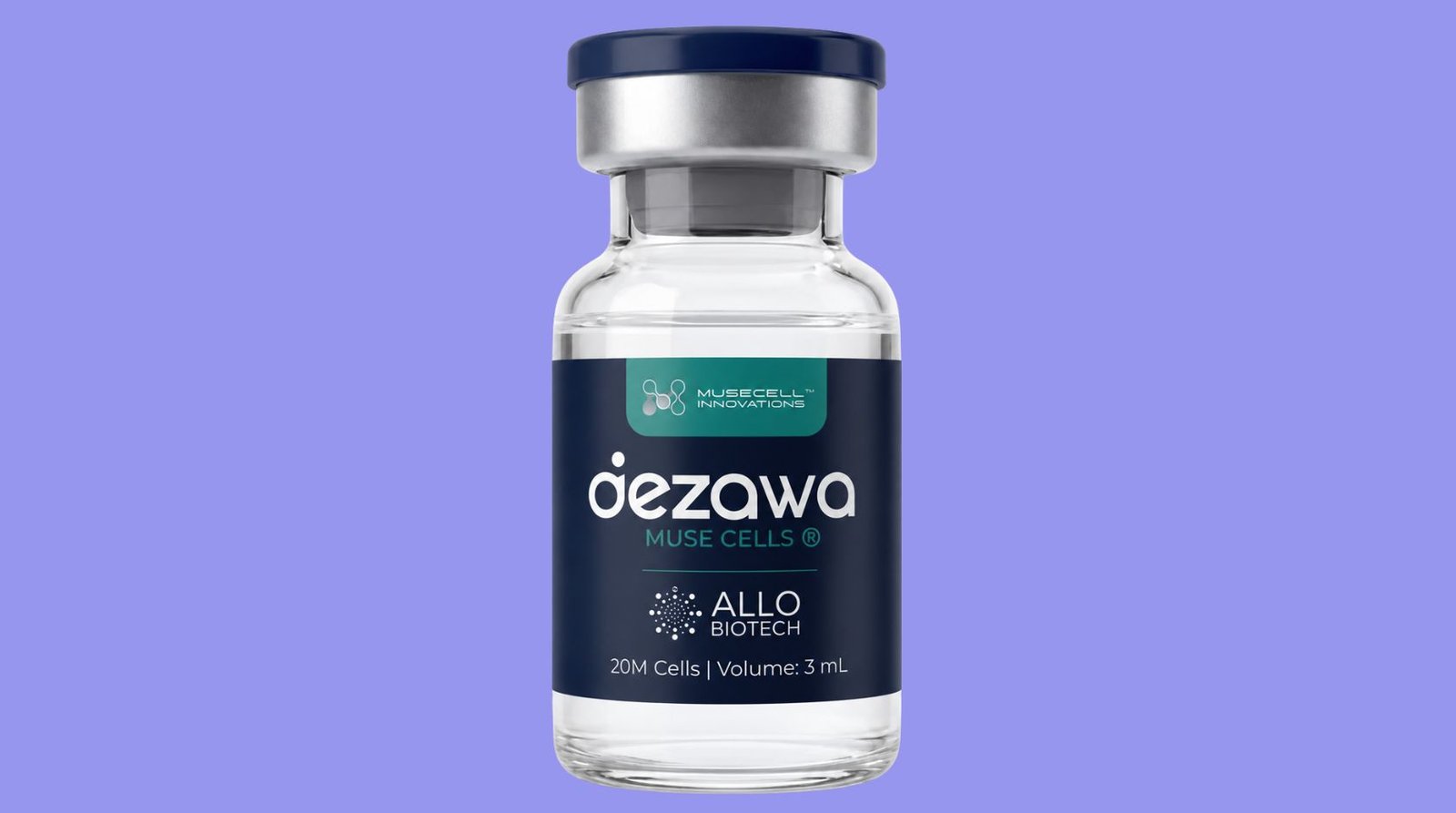
What Are Muse Cells?
Muse stands for multilineage-differentiating stress-enduring cells. Researchers first identified these cells within adult human tissues and cell populations, including bone marrow-derived mesenchymal cell preparations.
In laboratory research, Muse cells can be identified in part by a specific cell-surface marker called SSEA-3 (Stage-Specific Embryonic Antigen-3). Scientists are actively investigating how these cells respond to cellular stress, migrate toward injured areas in animal models, and participate in biological repair-related signaling processes.
Scientific Interest vs. Clinical Proof
Those laboratory findings make Muse cells scientifically interesting. However, they do not establish that an injection or infusion will restore an organ, reverse biological aging, rebuild joint cartilage, or improve a particular patient’s symptoms. Furthermore, research conducted on a specific, manufactured Muse cell product cannot be applied automatically to a different product marketed under the same name.
At Longevity Institute Miami, Dr. Nina Gupta, MD, ABAARM, FAARM helps patients separate promising preclinical laboratory findings from substantiated clinical evidence that can guide a safe medical decision today.
Why Are Researchers Interested in Muse Cells?
Early laboratory and animal research has examined several biological characteristics that distinguish Muse cells from generic cell populations:
Stress Tolerance
Examining how these cells endure severe cellular stress, enzymatic exposure, and low-oxygen microenvironments.
Tissue Homing & Migration
Investigating biological signals (such as sphingosine-1-phosphate) that direct cells toward areas of tissue damage in experimental models.
Immune Microenvironment Interaction
Studying how cell signaling interacts with host immune pathways without triggering severe allogeneic rejection in preclinical settings.
Multilineage Differentiation Potential
Exploring whether non-tumorigenic adult cells can express markers characteristic of ectodermal, endodermal, and mesodermal lineages.
Researchers have studied these questions in experimental animal models of acute neurologic injury, myocardial infarction, and spinal cord trauma. However, the step from a laboratory finding to a validated human treatment is substantial.
The Manufacturing & Standardization Reality
Cells used in legitimate human clinical trials must have a strictly defined tissue source, confirmed identity, validated preparation method, rigorous quality controls, precise dosing parameters, verified delivery methods, and extensive long-term follow-up plans. Even encouraging results in one specific acute medical condition cannot establish effectiveness in an unrelated disorder.
How Are Muse Cells Different from PRP & Other Cell Products?
With an abundance of marketing terminology in regenerative medicine, it is essential to distinguish between clearly different biological categories:
Platelet-Rich Plasma (PRP)
PRP comes from the patient’s own peripheral blood and contains concentrated platelets, bioactive growth factors, and signaling cytokines. It is an autologous orthobiologic tool—it is not a Muse cell treatment.
Explore PRP Therapy & Joint Care •Mesenchymal Stromal Cells (MSCs)
Mesenchymal stromal cell products encompass a broad group of heterogeneous cellular preparations derived from bone marrow, adipose tissue, or birth tissues. Muse cells have been studied as a distinct, rare subpopulation within certain mesenchymal preparations, typically identified and isolated via SSEA-3 marker selection. A random vial labeled “stem cells” does not thereby contain a characterized Muse cell product.
Learn About Stem Cell Therapy Evaluation •Exosomes & Extracellular Vesicles
Exosomes are cell-derived, non-living microscopic extracellular vesicles containing proteins, lipids, and RNA fragments—not living Muse cells. Claims about one cannot be borrowed as proof for the other. The FDA explicitly states that exosome products intended to treat human diseases generally require formal premarket approval and that no exosome product is currently FDA-approved for clinical use.
What Do Human Muse Cell Studies Show So Far?
Published human clinical trials investigating Muse cell products remain in early, exploratory stages with small patient cohorts:
Subacute Ischemic Stroke Trial (CL2020)
A randomized, double-blind, placebo-controlled study conducted in Japan assessed CL2020—a defined, donor-derived Muse cell product—in 35 participants following subacute ischemic stroke (25 received intravenous CL2020, 10 received placebo).
At 12 weeks, 40% of participants in the CL2020 group met the study’s specified functional response measure (modified Rankin Scale improvement), compared to 10% in the placebo group.
Acute Myocardial Infarction & Spinal Cord Injury Studies
Other small, early-phase trials have explored allogeneic Muse cell products for specific acute conditions, including acute myocardial infarction (Noda et al., 2020) and traumatic cervical spinal cord injury (Koda et al., 2024). These trials evaluated unique clinical populations under strict institutional protocols and do not establish a general-purpose therapy.
The Distinction for Longevity & General Wellness
This distinction matters profoundly for anyone encountering therapies advertised for “longevity” or “anti-aging.” A study evaluating patients recovering from acute stroke or myocardial infarction does not show that an infusion prevents memory loss, improves routine brain fog, enhances stamina, or prolongs lifespan in otherwise healthy adults.
Can Muse Cells Help with Joint Pain or Osteoarthritis?
There is no established clinical benefit for Muse cells in knee, hip, or shoulder osteoarthritis. Research involving other mesenchymal cell preparations cannot be treated as a Muse cell trial, and the FDA has not approved regenerative cellular products for orthopedic conditions such as osteoarthritis or tendonitis.
If joint pain is limiting your physical activity, the essential first step is an accurate clinical and diagnostic evaluation:
Accurate Structural Diagnosis
Differentiating articular cartilage thinning from meniscus tears, rotator cuff tendinopathy, bursitis, or referred spinal pain.
Evidence-Based Care Plan
Prioritizing physical therapy, muscle strength, weight management, targeted injections, PRP discussions, or orthopedic referral.
Dr. Gupta’s Approach: Start with the Patient & the Evidence
Dr. Nina Gupta begins with the clinical question that brought you to the office, rather than with a predetermined cell product. During an unhurried 60–90 minute consultation, she reviews your complete medical history, symptoms, medications, prior interventions, imaging, and long-term goals.
If you have questions regarding Muse cells, the clinical discussion systematically addresses:
- Your Actual Diagnosis & Measurable Goals: Identifying the precise underlying medical condition and defining what objective clinical outcome would represent meaningful improvement.
- The Specific Proposed Product: Evaluating what cells are in the preparation, how they were identified (e.g., SSEA-3 marker verification), how they were manufactured, and whether published data applies to that specific product.
- Human Evidence for Your Condition: Examining whether controlled clinical trials exist in people with the same diagnosis, using the identical product, dosing, and route of administration.
- Regulatory Status & Safety: Verifying whether the product is FDA-approved, available through an authorized clinical trial, or discussed under another applicable legal framework, along with known and unknown risks.
- Evidence-Based Alternatives & Follow-Up: Reviewing established treatments with stronger supporting evidence, understanding the natural history without treatment, and planning objective monitoring.
Important Clinical Note: This thorough evaluation may lead to established medical care, an evidence-based alternative, a specialist referral, information regarding a legitimate clinical trial, or a recommendation against a proposed treatment. A consultation does not imply eligibility for, availability of, or access to a Muse cell infusion or injection.
FDA Status & Florida Rules: What Patients Should Know
As of this medical review, no Muse cell product has FDA approval as an anti-aging or general longevity treatment, or for the orthopedic, neurologic, or cardiovascular conditions discussed here.
FDA Approval Context (Ryoncil)
In 2024, the FDA approved a distinct mesenchymal stromal cell therapy (Ryoncil) specifically for pediatric steroid-refractory acute graft-versus-host disease (GvHD). That approval does not apply to Muse cells or to any longevity or orthopedic indications.
Florida Statute §458.3245 Scope
Florida law establishes specific parameters for non-FDA approved cellular therapies within a physician's scope for orthopedics, wound care, or pain. It does not permit marketing cell therapies for longevity, stroke, dementia, or cardiac health.
Whether a particular biological product and proposed application can lawfully be offered requires product-specific legal and regulatory review. Patients should always request precise product documentation and verify the legal basis for any advertised therapy. Research conducted in another country is not a substitute for U.S. regulatory authorization.
Questions to Ask Before Considering Any Muse Cell Offer
If you encounter clinics or marketing materials offering Muse cells or related cellular interventions, ask these essential questions:
- Is the product actually a characterized Muse cell preparation, and how is its identity verified? (e.g., SSEA-3 marker assay and flow cytometry documentation).
- Is there a published, peer-reviewed human clinical study using this exact product for my specific diagnosis?
- Is the proposed use FDA-approved, part of an FDA-authorized Investigational New Drug (IND) trial, or offered under another identified legal pathway?
- What do the informed consent documents state regarding known risks, procedural uncertainties, alternative treatments, and follow-up monitoring?
- Who manufactured the product, what certified quality records (cGMP) are available, and what is the clinical protocol if an adverse event occurs?
Be Cautious of Unsubstantiated Claims
Be cautious of claims promising to reverse biological aging, regrow joint cartilage, prevent dementia, or repair multiple organs with a single cellular treatment. An appealing biological theory is never a substitute for demonstrated clinical outcomes in human trials.
Muse Cell Questions & Answers
Medical References & Scientific Sources
- Kuroda, Y., et al. (2010). Unique multipotent cells in adult human mesenchymal cell populations. Proceedings of the National Academy of Sciences (PNAS), 107(19), 8639–8643.
- Niizuma, K., et al. (2023). Randomized placebo-controlled trial of CL2020, an allogenic muse cell-based product, in subacute ischemic stroke. Journal of Cerebral Blood Flow & Metabolism, 44(2), 260–271.
- U.S. Food and Drug Administration (FDA). Consumer Alert on Regenerative Medicine Products Including Stem Cells and Exosomes. Outlines FDA regulatory standards, premarket review requirements, and warnings regarding unapproved cellular claims.
- Noda, T., et al. (2020). Safety and Efficacy of Human Muse Cell-Based Product for Acute Myocardial Infarction in a First-in-Human Trial. Circulation Journal, 84(7), 1189–1192.
- Koda, M., et al. (2024). Safety and feasibility of intravenous administration of a single dose of allogenic-Muse cells to treat human cervical traumatic spinal cord injury: a clinical trial. Stem Cell Research & Therapy, 15(1), 246.
- U.S. Food and Drug Administration (FDA). FDA Approves First Mesenchymal Stromal Cell Therapy (Ryoncil) to Treat Steroid-Refractory Acute Graft-versus-Host Disease. 2024 press announcement.
- Florida Legislature. Florida Statute §458.3245: Stem Cell Therapy Standards & Disclosures. 2026.
Regenerative & Joint Care

Dr. Nina Gupta, MD
ABAARM, FAARM, AASCPOver 37 years of clinical medical experience specializing in personalized longevity and physician-led regenerative care in South Florida.
Call / Text: 305-934-9149Discuss Emerging Regenerative Medicine with Dr. Nina Gupta
If you have questions about Muse cells, clinical trial evidence, or another regenerative treatment, schedule a private consultation at Longevity Institute Miami. Dr. Gupta will review your medical concerns, explain the strength and limits of the evidence, and help you consider clinically appropriate options.
Meet directly with Nina Gupta, MD at our Miami, Florida practice for an unhurried, evidence-based evaluation.