
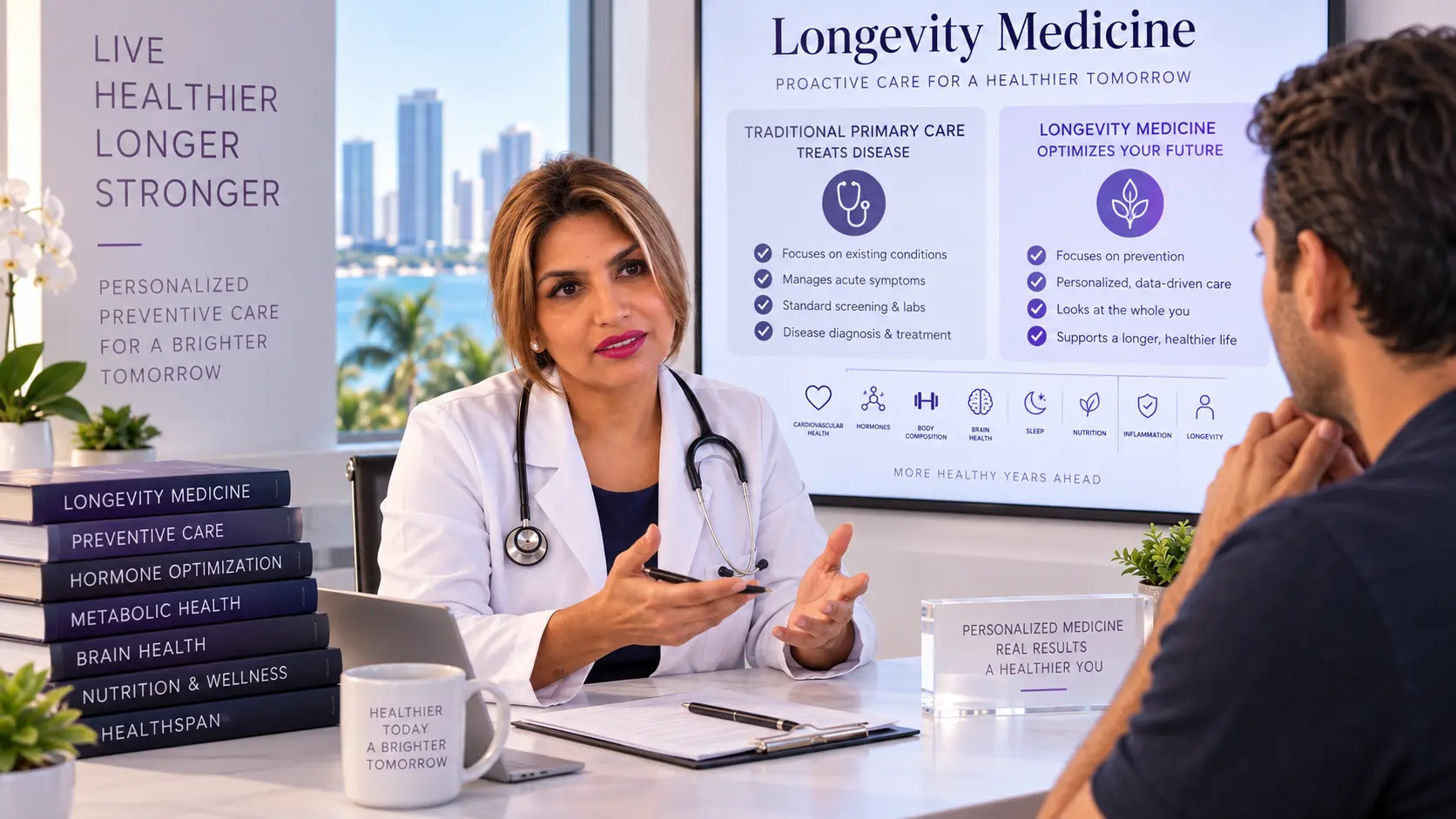
The goal of modern longevity care is not to promise that aging can be stopped or reversed. Rather, it is to identify modifiable risks early, preserve physical and cognitive function, and empower patients to make evidence-informed medical decisions that directly improve how they age.
That distinction matters.
Living longer is undeniably valuable. However, living longer while maintaining muscle strength, mental clarity, physical mobility, metabolic resilience and functional independence is an even more meaningful clinical objective.
The World Health Organization (WHO) describes healthy aging in terms of developing and maintaining the functional ability that supports well-being in older age. Importantly, the WHO notes that healthy aging does not require an individual to be completely free of disease.
At Longevity Institute Miami, this philosophy forms the clinical foundation of our physician-directed approach to longevity medicine and healthy aging.
Lifespan vs Healthspan: What Is the Difference?
Lifespan is simply how long you live—the total chronological number of years between birth and death.
Healthspan refers to the portion of life spent in relatively good health, vitality and physical function, unencumbered by chronic disability or progressive frailty.
Consider Two 90-Year-Old Individuals:
Remains physically active, independent, cognitively engaged, and traveling well into their later decades.
Spends 15–20 years managing multiple chronic metabolic illnesses, profound muscle loss, joint pain, and loss of functional independence.
Modern longevity medicine asks a different question:
“How can we increase the number of years we remain healthy—not simply the number of years we remain alive?”
Answering this requires paying systematic attention to biological and physiological processes decades before severe disease, metabolic failure or physical disability appears.
How Is Longevity Medicine Different From Traditional Primary Care?
Traditional primary care is an essential pillar of medicine. A skilled primary care physician provides critical preventive screening, immunizations, acute diagnosis, disease management, prescription monitoring and specialist care coordination.
Longevity medicine should complement—not replace—appropriate primary and specialty medical care.
The distinction is primarily one of clinical emphasis and perspective:
“Do you have an active disease that needs treatment?”
Focused on standard reference intervals, managing existing acute symptoms, diagnosing established disease criteria, and disease staging.
“What is your health trajectory, and how do we protect function?”
Focused on biological optimization, early cardiometabolic risk interception, cellular preservation, and proactive healthspan extension.
For example, a standard blood test result may technically fall within a normal laboratory reference range. However, a single broad range does not tell the complete physiological story.
What a Comprehensive Longevity Evaluation Considers:
- Personal and family medical history
- Blood pressure and vascular dynamics
- Fasting glucose, insulin and HOMA-IR regulation
- Advanced lipid subfractions (ApoB, Lp(a))
- Body composition and visceral adiposity
- Muscle mass, strength and aerobic fitness
- Systemic inflammation (hs-CRP, homocysteine)
- Hormonal status when clinically appropriate
- Sleep architecture, apnea risks and recovery
- Micronutrient and nutritional adequacy
- Cognitive health and memory concerns
- Lifestyle, stress and physical environment
- Medication, peptide and supplement evaluation
- Biological and epigenetic age biomarkers
Clinical Note: The objective is not to order every laboratory test available. More testing is not automatically better medicine. The true objective is to select clinically meaningful diagnostic information that directly informs therapeutic and lifestyle decisions.
Longevity Medicine Is About Prevention Before Symptoms Appear
One of the foundational realities of human biology is that pathology develops quietly for years—sometimes decades—before a patient experiences overt symptoms.
Consider insulin resistance: a patient can feel energetic and outwardly healthy while subclinical metabolic dysfunction is quietly damaging vascular endothelium and cellular mitochondria. Similarly, elevated blood pressure and atherogenic lipoprotein particles (such as ApoB) do not cause daily pain, yet they progressively elevate lifetime cardiovascular risk.
This is why preventive medicine matters. Longevity care recognizes these silent risk trajectories while there is still ample opportunity to intervene with evidence-based lifestyle changes, nutritional optimization, metabolic therapies, sleep support, and targeted medical interventions.
It is far more effective to initiate proactive healthspan planning at age 40, 50, or 60 than to wait until permanent loss of tissue, bone density, or cognitive capacity has occurred.
At the same time, longevity medicine is not reserved solely for younger adults. Research summarized by the National Institute on Aging (NIA) confirms that evidence-based lifestyle and medical adjustments provide substantial functional benefits even when initiated later in life.
What Does a Longevity Doctor Evaluate?
Human aging is systemic and multifaceted. There is no single “magic longevity test.” A thorough physician evaluation examines interconnected organ systems:
Cardiovascular Health
Cardiovascular disease remains the leading cause of morbidity and mortality worldwide. Depending on individual risk, evaluation includes blood pressure dynamics, comprehensive lipid panels (ApoB, LDL particle count, Lipoprotein(a)), glucose regulation, arterial inflammation markers, and personal/family history.
Diagnostic screening is tailored to the individual's specific cardiovascular profile rather than ordering indiscriminate tests for everyone.
Metabolic Health & Body Composition
Metabolic health is the engine of healthy aging. We evaluate fasting glucose, Hemoglobin A1c, fasting insulin, visceral adiposity, and waist-to-hip measurements.
Metabolic health and body weight are correlated, but not identical. An individual can maintain a normal body weight on a bathroom scale while harboring excessive visceral fat around vital organs or experiencing insulin resistance ("TOFI" – Thin on Outside, Fat on Inside).
Muscle Mass & Physical Function
Skeletal muscle is your largest metabolic and glucose-disposal organ. Maintaining muscle mass (preventing sarcopenia), tendon resilience, balance, and aerobic capacity becomes vital with every decade of life.
The National Institute on Aging identifies physical activity and resistance training as cornerstones of healthy aging. Preserving the strength to move, lift, climb stairs, and maintain balance sits at the very core of healthspan independence.
Hormonal Health
Hormone production shifts naturally across adulthood. Men may experience gradual testosterone decline, while women undergo profound physiological shifts during perimenopause and menopause. Thyroid and adrenal imbalances can also influence energy, mood, and sleep.
Longevity medicine does not mean prescribing hormones to everyone. When bioidentical hormone therapy (BHRT) is evaluated, treatment must be strictly individualized based on clinical symptoms, lab tests, safety profiles, and medical contraindications.
Brain & Cognitive Health
Cognitive vitality is just as important as physical strength. We review memory, focus, mental processing speed, sleep quality, stress response, and family history of cognitive conditions.
While not every memory lapse indicates disease, progressive cognitive fatigue should not simply be brushed aside as normal aging. Our brain health evaluations identify modifiable contributors and establish clear clinical baselines.
Sleep Optimization
Sleep is the body's primary neurological and cellular repair window. The National Institute on Aging notes that adults continue to require 7–9 hours of quality sleep nightly.
We look beyond total hours to examine restorative depth, nighttime awakenings, sleep apnea risks, and hormonal sleep disruption. Often, improving healthspan starts with restorative sleep rather than another supplement.
Nutrition & Lifestyle Foundations
There is no single “one-size-fits-all longevity diet.” Nutritional strategies should be customized around metabolic status, body composition goals, lipid tolerance, and food preferences.
Lifestyle foundations—including daily non-exercise physical activity, resistance training, alcohol moderation, stress modulation, and social connection—remain among the most potent modifiable determinants of human healthspan.
What About Biological Age Testing?
One of the most captivating developments in longevity science is the effort to differentiate chronological age from biological age.
Chronological age is simple: the number of years since your birth.
Biological age is far more complex: it measures the cumulative molecular, cellular and organ-level wear that has occurred across your lifetime. Scientists utilize DNA methylation algorithms (epigenetic clocks), clinical biomarker panels, and physiologic measurements to estimate aspects of biological age.
Clinical Reality: While biological age testing offers valuable longitudinal tracking, it should not be viewed as an exact expiration date. Lowering an epigenetic score does not come with a guarantee of added years; these tools are best interpreted as informative biomarkers within a comprehensive medical context.
Can We Actually Slow Aging?
This question requires scientific honesty.
Aging is not a single molecular switch that can simply be turned off. Biologists identify multiple interconnected biological hallmarks of aging, including cellular senescence, mitochondrial dysfunction, loss of proteostasis, genomic instability, telomere attrition, and chronic sterile inflammation ("inflammaging").
While laboratory models show promising mechanisms for modulating these pathways, there is a fundamental difference between an encouraging mouse study and a clinical therapy proven to extend healthy human lifespan.
Longevity medicine should always honor that distinction: promising science is exciting, but clinical practice must remain grounded in safety, medical integrity, and clear patient communication.
Where Do NAD+, Peptides, and Regenerative Medicine Fit?
Patients exploring longevity medicine often ask about emerging cellular and supportive therapies:
NAD+ IV & Injection Therapy
Support for cellular coenzyme availability, mitochondrial bioenergetics, and sirtuin pathway activation.
Targeted Peptide Therapy
Physician-directed signaling peptides for metabolic regulation, tissue repair, and immune signaling.
IV Nutritional Drips
Custom intravenous micronutrients, amino acids, and high-potency antioxidants.
Regenerative Orthobiologics & MSCs
Ultrasound-guided PRP and cellular joint preservation under Florida statutory standards (§458.3245).
These specialized therapies should never replace foundational healthy lifestyle habits. When clinically indicated, they can be integrated into a comprehensive medical program after carefully evaluating patient history, evidence, realistic expectations, and regulatory compliance.
A reputable physician-led practice will always tell you both what is medically appropriate for your profile and when the evidence does not support an unproven fad.
Is Longevity Medicine Evidence-Based?
It can be—but the term longevity medicine itself encompasses a wide spectrum of practices.
Many of its foundations are firmly established medicine: managing cardiovascular risk, improving metabolic health, exercising, maintaining muscle, sleeping adequately, avoiding tobacco and following appropriate preventive screening.
Other areas of longevity science remain investigational. The responsible approach is not to place everything into the same evidence bucket. At Longevity Institute Miami, we believe patients deserve to understand what is well established, what is promising but still evolving, and where evidence remains limited.
Who Should Consider Longevity Medicine?
You do not need to wait until you experience health deterioration to take control of your biological trajectory. A longevity consultation is beneficial for adults who:
- Want a thorough, proactive understanding of their personal cardiovascular and metabolic risks.
- Have a strong family history of early heart disease, diabetes, or cognitive decline.
- Notice changes in energy levels, body fat distribution, or recovery times.
- Want to preserve skeletal muscle mass and high physical performance with age.
- Are navigating perimenopause, menopause, or age-related hormonal shifts.
- Seek a physician-guided, evidence-informed roadmap for lifelong healthspan.
Longevity Medicine in Miami
At Longevity Institute Miami, every protocol begins with the patient—not a cookie-cutter package. Dr. Nina Gupta, MD, ABAARM, FAARM brings over 37 years of clinical medical experience to comprehensive healthspan optimization.
We evaluate medical history, symptoms, lifestyle factors, advanced biomarkers, and personal goals to build a bespoke longevity strategy in our private Miami medical facility.
Frequently Asked Questions About Longevity Medicine
Medical References & Scientific Sources:
- World Health Organization. Healthy ageing and functional ability. WHO. Healthy aging emphasizes maintaining functional ability and well-being rather than simply the absence of disease.
- World Health Organization. Ageing and health / UN Decade of Healthy Ageing. WHO describes person-centered, integrated health services as part of its healthy-aging framework.
- National Institute on Aging. What Do We Know About Healthy Aging? National Institutes of Health. Physical activity, healthy eating, sleep and proactive health care are emphasized as important components of healthy aging.
- National Institute on Aging. Health Benefits of Exercise and Physical Activity. NIH. Physical activity supports function and is associated with lower risk of several chronic diseases important to aging.
- National Institute on Aging. Sleep. NIH. Sleep remains an important component of physical and mental health with aging.
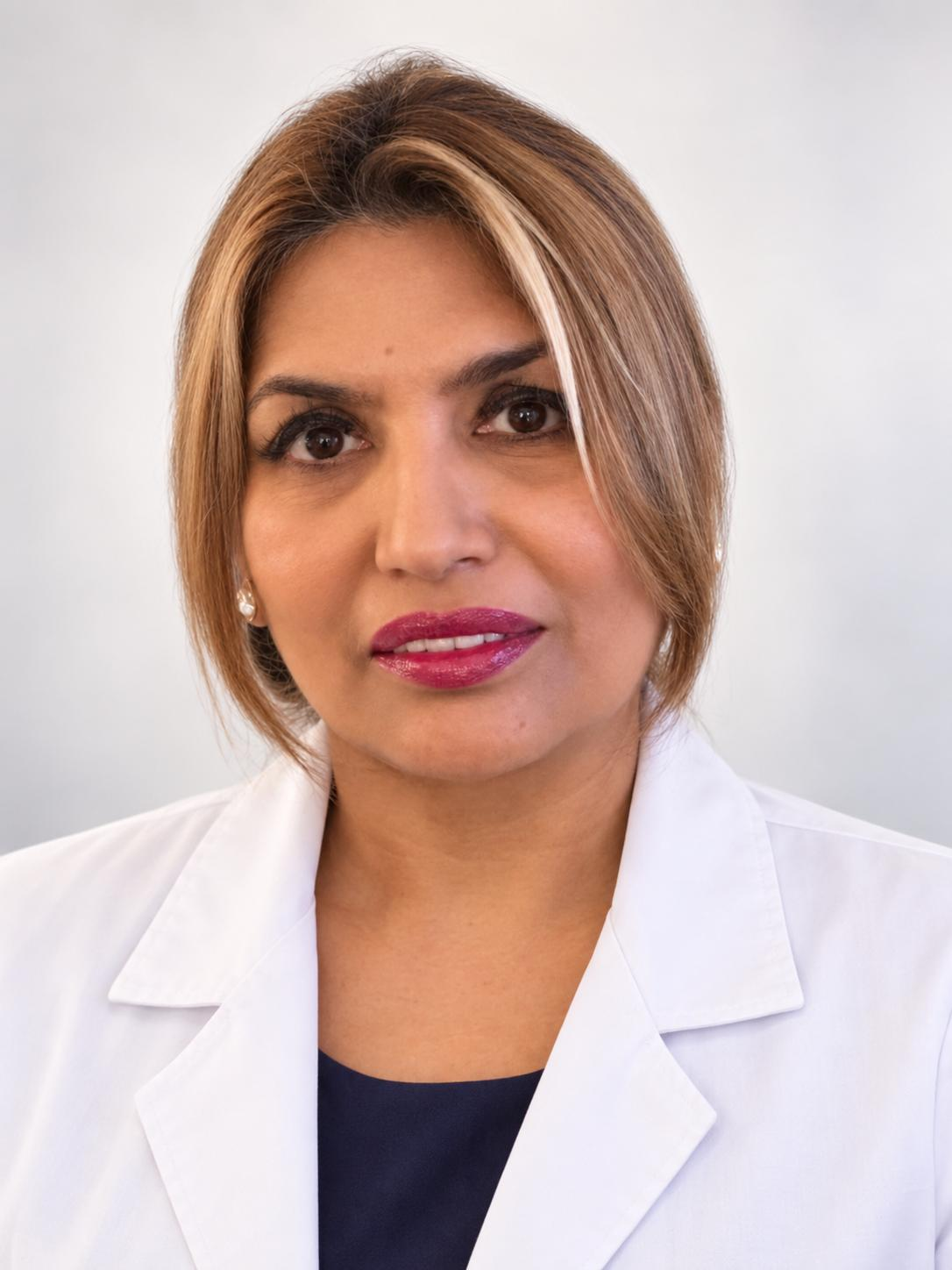
Board-certified physician with over 37 years of clinical medical experience, specializing in longevity diagnostics, bioidentical hormone optimization, and ultrasound-guided regenerative orthobiologics.