

Aging is an inherent biological reality, but how you feel, perform, and function as the years pass is substantially influenced by your daily habits, clinical history, physical activity, sleep architecture, metabolic health, and access to proactive medical guidance. Perhaps you want to sustain high cognitive energy throughout demanding workdays, preserve physical strength, optimize your metabolic biomarkers, or feel genuinely confident about your long-term cardiovascular health.
Whatever your personal motivation, a personalized longevity plan bridges the gap between vague health desires and a structured, medically supervised roadmap for lifelong vitality.
At Longevity Institute Miami, personalized longevity care begins with understanding the complete human being rather than handing you a generic wellness checklist. Your health aspirations, active symptoms, multi-generational family history, underlying medical conditions, daily routine, and targeted laboratory data all guide the clinical strategy.
The overarching objective is to expand your healthspan—the proportion of your life spent living actively, free from preventable chronic disability, and fully capable of enjoying the careers, hobbies, and relationships that matter to you.
A personalized plan is not simply a collection of laboratory tests, boutique supplements, or trendy therapies marketed for longevity. It is a systematic clinical framework that identifies meaningful priorities, determines which medical interventions are appropriate, and establishes an objective feedback loop to monitor progress over time.
What Is a Personalized Longevity Plan?
A personalized longevity plan is an individualized medical approach to preventive healthcare and healthy aging. It integrates your current physiological baseline, future health risk stratification, personal functional goals, and everyday lifestyle realities to guide practical decisions regarding nutrition, physical conditioning, sleep restoration, and medical therapies.
Unlike generic wellness subscriptions, a personalized clinical plan recognizes that no two individuals share the same biological starting point. An executive managing elevated fasting insulin and high blood pressure requires an entirely different medical roadmap than an active adult experiencing persistent fatigue, declining muscular recovery, or disrupted sleep architecture. Even two individuals of the exact same chronological age often possess vastly different cardiovascular risks, metabolic profiles, and hormonal baselines.
The process begins with an in-depth clinical consultation. During this evaluation, a physician reviews your symptoms, medical records, and family history. Depending on your clinical needs, the assessment may incorporate a physical exam, a review of existing primary care labs, evidence-based preventive screenings, and selected advanced diagnostics.
Your resulting plan provides tailored nutrition recommendations, a progressive physical conditioning framework, sleep optimization strategies, and clinical management of established health risks. If prescription medications or targeted medical therapies are indicated, your physician discusses their exact clinical rationale, expected benefits, safety considerations, and monitoring requirements.
The Three Essential Questions Every Plan Must Answer
A clinically sound longevity plan cuts through commercial confusion by providing clear, definitive answers to three core questions:
- What should I focus on first? (Establishing clinical triage and immediate priorities).
- What actions can I realistically sustain? (Designing habits that fit your actual daily routine).
- How will we know whether those actions are helping? (Defining objective physiological and functional metrics for follow-up).
Step 1 — Start With Your Personal Health Goals
Every effective longevity plan begins with a candid physician conversation about what you want to achieve. While broad ambitions like "feeling younger" or "aging well" offer great initial motivation, they only become clinically actionable when tied to specific functional outcomes and everyday experiences.
For example, you may notice that you hit an energy wall at 2:00 PM, struggle to recover from standard workouts, or find it increasingly difficult to prevent visceral weight gain despite eating the same diet. Perhaps you have watched a parent struggle with premature cardiovascular disease or type 2 diabetes and want to proactively understand your own vascular risk. Or maybe your goal is straightforward: you want to remain physically robust enough to travel overseas, hike, play tennis, and care for grandchildren well into your seventies and eighties.
These real-world priorities guide the entire medical assessment. Instead of ordering an indiscriminate, exhaustive battery of tests on day one, your physician zeroes in on the clinical questions that matter most. If chronic fatigue is your primary complaint, the initial discussion explores when the symptom started, your sleep architecture, prescription side effects, and subtle endocrine or metabolic clues.
Define What Healthy Aging Means to You
Healthy aging is highly individual. For one person, it means preserving executive cognitive function, mental sharpness, and emotional resilience in high-stakes professional work. For another, it means managing mild joint osteoarthrosis while maintaining vigorous resistance training and functional independence.
During your consultation, focus on the specific physical capabilities you want to preserve and the practical changes that would make the most profound difference in your day-to-day life. You do not need to arrive with an elaborate medical vocabulary; an honest description of what feels off, what concerns you, and what you hope to achieve is the ideal foundation.
Equally important is taking account of your practical constraints. Demanding work schedules, business travel, family caregiving duties, food preferences, and gym accessibility all dictate whether a recommendation is sustainable. A longevity plan that demands two hours of meal prep and ninety minutes of daily gym workouts might sound impressive on paper, but if your workweek allows only thirty minutes of exercise, it will quickly fail. A clinically effective plan aligns with the realities of your life.
Step 2 — Review Your Medical and Family History
Your clinical history provides the vital context required to interpret laboratory biomarkers, physiological symptoms, and long-term health risks. Without this context, even a sophisticated laboratory panel offers only an incomplete, disconnected picture.
A comprehensive longevity evaluation reviews your current symptoms, past surgical procedures, diagnosed chronic conditions, prior therapies, known allergies, prescription medications, and over-the-counter supplements. Your physician also reviews previous laboratory reports to analyze historical trends and verify whether essential routine preventive screenings (such as colonoscopies, mammograms, or skin checks) are up to date.
Cardiovascular disease, stroke, metabolic dysfunction, and specific neoplastic conditions frequently cluster within families. Knowing which relatives were affected and their age at diagnosis allows your physician to personalize cardiovascular and oncological risk stratification.
Polypharmacy and unguided supplement stacks often create unexpected interactions, liver enzyme alterations, or hidden nutrient depletions. Bringing exact names and dosages prevents conflicting regimens and protects organ function.
The goal of this medical review is never to judge past choices or assign blame. It is to assemble an accurate clinical foundation so you and your physician can identify the most impactful opportunities for intervention.
Lifestyle, Sleep, Stress, and Daily Habits
Your everyday routine often reveals clinical drivers that are invisible on standard blood panels. Sleep continuity, meal timing, sedentary hours, alcohol intake, tobacco exposure, chronic psychological stress, and emotional well-being profoundly influence cellular aging and systemic inflammation.
For instance, unrefreshing sleep may stem from untreated upper-airway resistance, caffeine clearance kinetics, late-night screen exposure, alcohol-induced REM suppression, or medications. A physician determines whether persistent fatigue warrants diagnostic sleep evaluation rather than masking symptoms with stimulants or unverified energy boosters.
Hormonal transitions, including perimenopause and andropause, also represent critical pivot points in longevity care. Changes in body composition, sleep quality, bone mineral density, and mood should be evaluated systematically within their full clinical context, ensuring that any hormone therapy decisions are grounded in established medical indications and safety parameters.
Step 3 — Select the Right Longevity Tests
Diagnostic testing is an invaluable tool in preventive health, but every test ordered must answer a specific clinical question. A personalized longevity plan does not automatically require ordering every commercial biomarker panel, full-body scan, genetic sequencing test, or biological-age test on the market.
The initial step is to thoroughly analyze the records you already have. Recent primary care bloodwork, metabolic panels, lipid panels, and blood pressure histories provide essential baseline data. Re-ordering tests without an active clinical justification creates unnecessary costs and exposes patients to the anxiety of false-positive incidental findings without altering treatment strategy.
USPSTF Clinical Screening Alignment: As recommended by the U.S. Preventive Services Task Force (USPSTF), screening for prediabetes and type 2 diabetes should occur in adults aged 35 to 70 who are overweight or have obesity. Personalized longevity assessments incorporate these validated guidelines while tailoring frequency and depth to individual cardiovascular risk profiles and symptoms.
Before consenting to any elective laboratory assessment, ask your physician three crucial questions: What does this test specifically evaluate? What are its technical limitations? How will the result alter my clinical care? A biomarker that does not change a clinical decision provides curiosity, not healthcare.
When Advanced Testing May Be Helpful
Advanced longevity testing becomes appropriate when an important clinical question cannot be answered through standard screening tests alone. Its clinical utility depends on your personal risk factors, symptoms, and the specific decisions the results will guide.
- Apolipoprotein B (ApoB) & Lipoprotein(a): Standard lipid panels measure cholesterol mass (LDL-C), but particle count (ApoB) and genetically determined atherogenic particles [Lp(a)] offer superior accuracy for lifelong cardiovascular risk stratification.
- Fasting Insulin & Glycemic Kinetics: Measuring fasting insulin alongside fasting glucose (e.g., HOMA-IR) detects insulin resistance years before HbA1c crosses diabetic diagnostic thresholds.
- Biological-Age & Epigenetic Clocks: While commercial epigenetic clocks provide interesting population-level data on DNA methylation patterns, they vary significantly between platforms and cannot predict individual lifespan or diagnose illness. They should be regarded as research metrics rather than substitutes for proven cardiovascular and metabolic screening.
For patients interested in exploring advanced diagnostics, our guide on how a longevity doctor selects the right tests outlines how clinical criteria determine test selection.
Step 4 — Prioritize Your Health Needs
After gathering your history, goals, physical exam findings, and diagnostic reports, the critical next phase is clinical prioritization.
This step prevents a longevity plan from becoming an overwhelming, unsustainable list of fifty separate tasks. While you and your physician may identify numerous areas for optimization, attempting to overhaul your diet, exercise, sleep, supplements, and stress simultaneously leads to burnout and makes it impossible to know which intervention is actually working.
| Priority Level | Clinical Focus | Representative Actions |
|---|---|---|
| Priority 1: Timely Medical Risks | Undiagnosed symptoms, elevated blood pressure, severe insulin resistance, suspicious screenings, or cardiac arrhythmias. | Medical workup, medication titration, lifestyle safety changes, or specialty referral. |
| Priority 2: Core Healthspan Foundations | Atherogenic lipid reduction, progressive resistance training, metabolic conditioning, and sleep stabilization. | Prescription lipid management, structured exercise programming, circadian habit alignment. |
| Priority 3: Elective Optimization | Targeted nutritional supplementation, advanced biomarker tracking, recovery modalities, and bio-tracking devices. | Nutrient repletion, wearable sleep tracking, periodic biomarker follow-up. |
By establishing a clear, clinically reasoned sequence of priorities, you can focus your time, energy, and financial resources on the interventions most likely to produce genuine improvements in your long-term health.
Step 5 — Build a Practical Longevity Plan
Once priorities are established, they are translated into specific, measurable daily actions. Vague recommendations like "eat clean" or "reduce stress" rarely produce lasting change. A medically sound longevity plan specifies what to do, how to begin safely, and when to assess outcomes.
Nutrition, Exercise, and Strength
Nutrition in longevity medicine focuses on metabolic flexibility, muscle protein synthesis, and cellular protection. Rather than enforcing restrictive fad diets, your physician helps you establish a sustainable nutritional pattern rich in whole foods, dietary fiber, adequate high-quality protein, and essential micronutrients suited to your metabolic baseline.
Physical activity guidance aligns with established public health evidence. The Centers for Disease Control and Prevention (CDC) recommends that adults achieve at least 150 minutes of moderate-intensity aerobic physical activity per week, coupled with muscle-strengthening activities on 2 or more days per week.
In longevity care, resistance training is a critical therapeutic pillar. Preserving muscle mass and neuromuscular strength directly prevents sarcopenia, supports bone mineral density, improves insulin sensitivity, and dramatically reduces fall risk as you age. If you are new to lifting or have orthopedic limitations, your plan begins with gentle, progressive resistance and joint-friendly movement.
Sleep, Stress Management, and Mental Well-Being
Restorative sleep is the cornerstone of cellular repair, glymphatic brain clearance, and hormonal equilibrium. If you struggle with sleep onset or middle-of-the-night awakenings, your plan addresses circadian cues (morning sunlight, consistent sleep-wake timing), bedroom environment, and screening for obstructive sleep apnea.
Stress resilience must also be realistic. Chronic sympathetic overload elevates cortisol, disrupts glucose regulation, and impairs endothelial function. Personalized strategies—such as dedicated work-life boundaries, breathwork, regular nature exposure, or cognitive behavioral support—help re-establish parasympathetic autonomic balance.
Medical Treatments and Supplements
When an established medical condition or clinically abnormal biomarker is identified, evidence-based pharmacotherapy may be incorporated. Any medication, hormone therapy, or injection must have a clear medical indication, an established safety profile, and a planned monitoring schedule.
Supplements are treated with the exact same clinical rigor. Just because an over-the-counter product is labeled "natural" does not make it safe, pure, or clinically effective. Indiscriminate supplement stacks can strain kidney or liver function and interact adversely with prescription medications. In a personalized plan, supplements are prescribed conservatively to address documented clinical deficiencies (such as Vitamin D, B12, or omega-3 fatty acids) rather than based on speculative online marketing.
Step 6 — Monitor Progress and Adjust Your Plan
A personalized longevity plan is not a static document; it is a dynamic medical process that evolves as your physiology, lifestyle, and priorities change over time. Initial consultations set your baseline, but structured follow-up ensures that interventions are producing the intended benefits safely.
Progress is evaluated using both objective laboratory biomarkers and functional, real-world metrics:
Tracking changes in blood pressure, fasting glucose, HbA1c, ApoB, liver enzymes, and high-sensitivity CRP at clinically appropriate intervals (such as 3 to 6 months for metabolic markers).
Assessing improvements in daily stamina, workout recovery, grip strength, walking tolerance, sleep consistency, and reduction in daytime fatigue.
Follow-up visits also provide the opportunity to address real-world obstacles. If an exercise routine proved too difficult to maintain with your travel schedule, or if a medication caused unexpected gastrointestinal symptoms, the plan is calibrated accordingly. Sustained healthspan is built on consistency and flexibility, not rigid perfection.
What to Expect From a Longevity Consultation in Miami
Preparing for an initial longevity evaluation at Longevity Institute Miami is straightforward. You do not need to purchase expensive commercial test kits or alter your daily habits before arriving. The goal is to evaluate your typical physiological baseline.
To maximize the clinical value of your consultation, consider bringing:
- Recent Laboratory Reports: Routine bloodwork from your primary care physician or specialists within the past 12 months.
- Complete Medication & Supplement Inventory: Exact names, dosages, and frequency of all prescriptions, vitamins, and herbs you take.
- Home Health Readings: A log of home blood pressure readings or a 2 to 4-week summary from your smartwatch or smart ring (see our guide on wearable data for longevity consultations).
- Your Top Two or Three Health Questions: Focused questions about what you most want to improve, whether additional testing is warranted, and which lifestyle adjustments are most realistic for you.
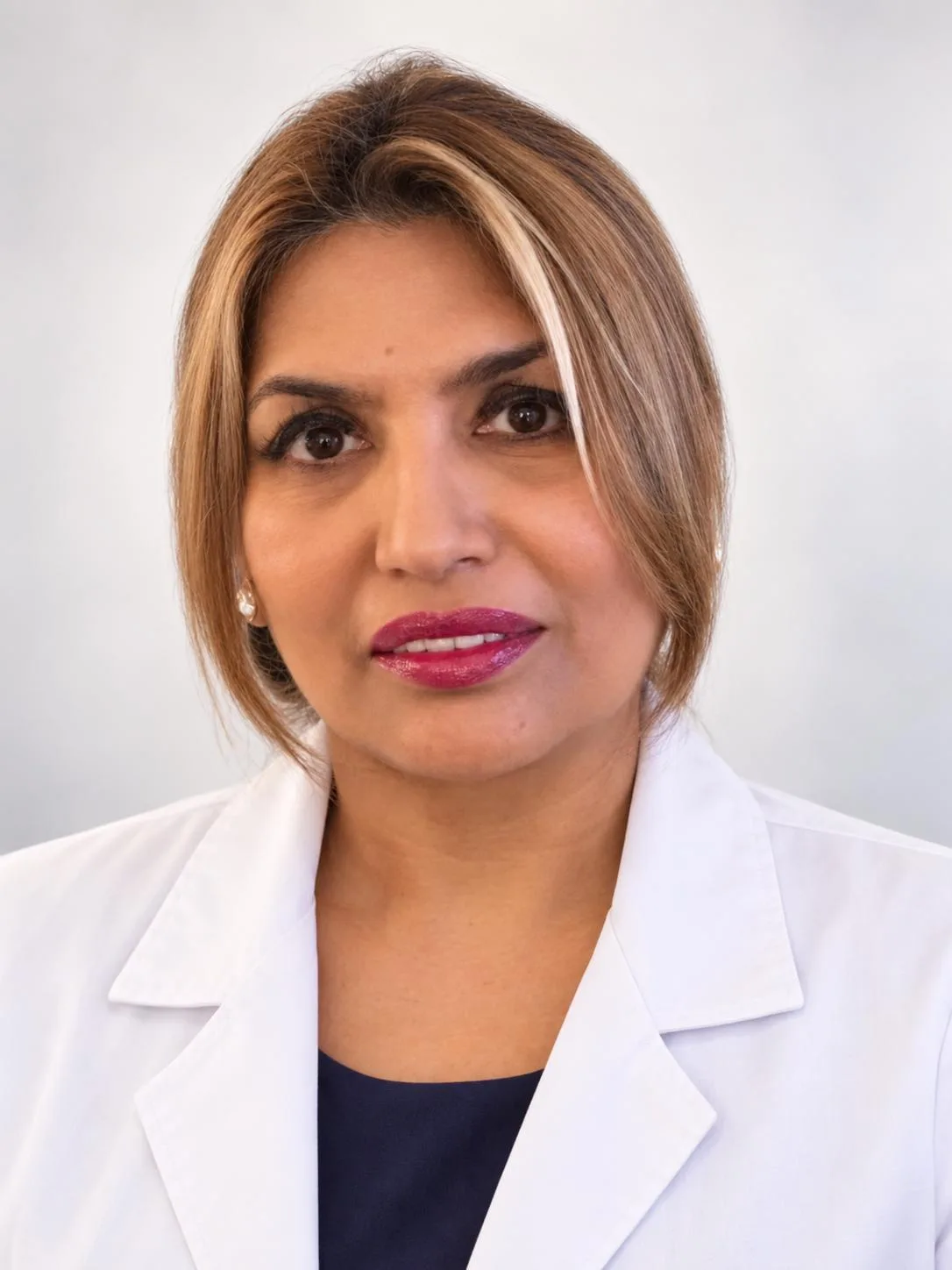
Led by Dr. Nina Gupta, MD, ABAARM, FAARM, our practice delivers personalized evaluations grounded in clinical evidence, transparent communication, and compassionate care. Learn more about our philosophy for healthy aging and healthspan in Miami.
Personalized Longevity Planning: Common Mistakes to Avoid
Navigating modern healthspan medicine can be challenging due to pervasive online marketing. Avoiding these five common pitfalls ensures your longevity care remains safe, cost-effective, and medically productive:
1. Mistaking More Tests for Better Care
Ordering endless panels without a clinical indication increases out-of-pocket costs and frequently turns up harmless incidental findings that provoke anxiety without improving your care.
2. Attempting a Total Lifestyle Overhaul
Trying to overhaul diet, gym routines, sleep schedules, and supplement habits overnight leads to rapid burnout. Sustainable longevity is achieved by locking in one or two high-leverage habits first.
3. Confusing Marketing with Medical Proof
Commercial claims advertising "age reversal," "youth-restoring infusions," or miracle supplements rarely have robust clinical trial validation. Always demand peer-reviewed human medical evidence.
4. Ignoring Primary Care & Specialists
Longevity medicine should collaborate with your primary care physician and specialists, not operate in a vacuum. Transparent medical coordination prevents duplicate testing and conflicting care.
5. Fixating on a Single Score or Biological Age Number
Health is multi-dimensional. A single commercial biological-age score or smartwatch recovery percentage cannot capture cardiovascular wall thickness, cognitive agility, or metabolic stamina. Focus on the comprehensive clinical picture.
Frequently Asked Questions
Answers to common questions about developing an individualized longevity and healthy aging plan in Miami.
Conclusion: Create a Longevity Plan That Fits Your Life
A personalized longevity plan starts with a straightforward question: What would you like your health to help you achieve in the years ahead?
The answer to that question guides the entire clinical process—from reviewing your medical history and identifying hidden cardiovascular risks to deciding which diagnostics are truly necessary and establishing realistic, sustainable daily habits.
The most effective longevity approach is not the one with the most expensive tests, the longest list of supplements, or the most exhausting daily routine. It is the plan that connects your individual health goals with sound medical evidence, practical daily habits, appropriate preventive screenings, and consistent physician follow-up.
By establishing clear priorities, asking informed questions, and adapting your plan as your life evolves, you can build a resilient foundation for healthy aging. Progress is measured not only by laboratory biomarkers, but by your energy, your physical independence, and your vitality in everyday life.
If you are ready to take a structured, physician-led approach to healthy aging, consider scheduling a consultation with Dr. Nina Gupta at Longevity Institute Miami. Bring your questions, discuss your concerns, and work toward a plan built around your unique biology.
Ready to Design Your Personalized Healthspan Roadmap?
Connect with our clinical team at Longevity Institute Miami to schedule your comprehensive evaluation with Dr. Nina Gupta:
Scientific & Medical References
- U.S. Preventive Services Task Force (USPSTF). Prediabetes and Type 2 Diabetes: Screening. Clinical recommendations on screening frequency, risk factors, and glycemic assessment.
- Centers for Disease Control and Prevention (CDC). Adult Physical Activity: An Overview. Public health guidelines on aerobic physical activity and muscle-strengthening exercise for healthy aging.
- National Institutes of Health (NIH). Healthy Aging Research & Health Topics. Evidence-based principles for healthspan extension, disease prevention, and cognitive preservation.