

You may have first encountered the term functional medicine while searching for clearer answers about persistent fatigue, sudden midlife weight gain, chronic digestive discomfort, brain fog, or simply feeling less like yourself. Perhaps standard lab work came back “within normal limits,” yet you know intuitively that your daily energy and physical vitality are far from optimal.
Wanting a physician who will evaluate the whole biological picture—listening to your story, looking at how different body systems influence one another, and helping you determine what deserves clinical attention—is an entirely reasonable healthcare goal.
However, before scheduling an appointment, it is vital to understand what functional medicine genuinely offers, where it naturally intersects with your existing medical care, and which commercial marketing claims warrant healthy skepticism.
What Does a Functional Medicine Doctor Do?
A physician practicing functional medicine connects your current physical concerns with your lifetime health history, genetic background, and daily environmental reality.
Rather than isolating each symptom into a silo, the clinical dialogue explores how interconnected factors influence each other:
- Timeline Analysis: When did your symptoms first emerge? Did they coincide with acute psychological stress, viral illness, travel, hormonal milestones, or a change in medications?
- System Cross-Talk: How do your sleep patterns impact your postprandial glucose regulation? Could digestive dysbiosis be driving systemic joint stiffness or skin changes?
- Aggravating & Relieving Factors: Which specific meals, physical activities, or environments exacerbate or alleviate how you feel?
The clinical objective is to develop a scientifically plausible explanation and an actionable, step-by-step treatment plan. However, it is critical to realize that “functional medicine” does not denote a single standardized treatment protocol. Clinics vary widely in physician credentials, diagnostic testing standards, services offered, and interpretation of medical literature. Asking what a clinician actually does in day-to-day practice is far more informative than assuming every functional medicine clinic operates under the same standards.
Physician-Led Clinical Care in Miami
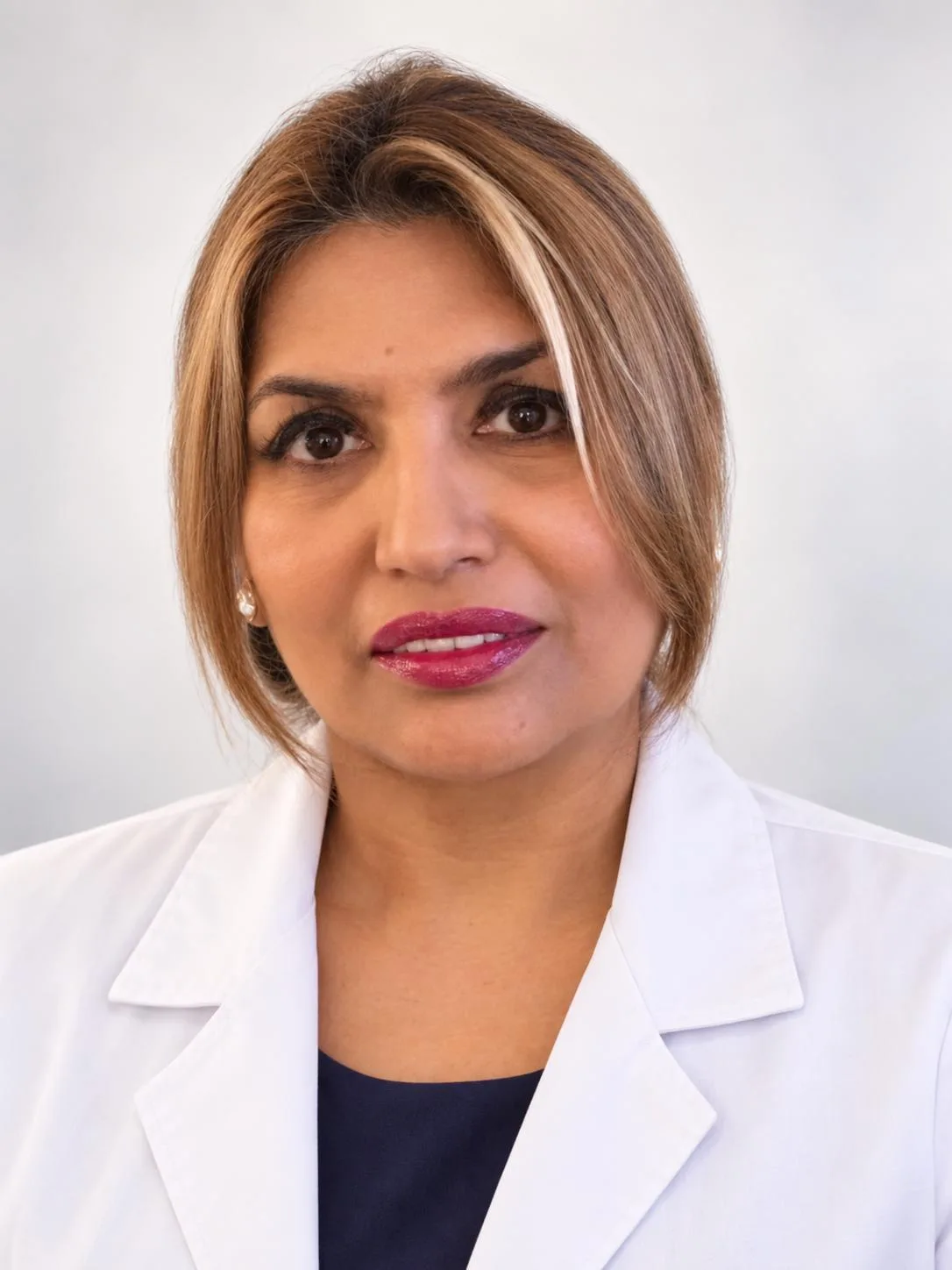
At Longevity Institute Miami, all functional medicine evaluations are conducted directly by Dr. Nina Gupta, MD (37+ years medical experience; Board Certified ABAARM, Fellow FAARM). Our practice integrates rigorous diagnostic precision with personalized healthspan planning.
Functional Medicine vs. Conventional Medicine: A Fair Comparison
In wellness circles and online advertising, you will often hear that conventional medicine “only treats symptoms with drugs” while functional medicine “cures the root cause.”
That dichotomy is an inaccurate oversimplification of modern medicine. Board-certified internists, family physicians, endocrinologists, and cardiologists routinely investigate underlying causes, screen for risk factors, and counsel patients on diet and exercise. Acute medical crises—such as severe trauma, cardiac arrest, bacterial meningitis, or surgical emergencies—are triumphantly managed by conventional medicine.
Where functional medicine frequently differs is in its structure, consultation time, and consultative scope. Many functional medicine practices deliberately operate outside high-volume insurance models, allowing physicians to spend 60 to 90 minutes exploring nutrition, gut health, sleep architecture, and stress biology in continuous depth:
| Area of Care | Conventional Medicine | Functional Medicine Approach |
|---|---|---|
| Clinical Assessment | History, physical examination, diagnostic disease classification, and acute risk stratification. | Often expands into an extended clinical timeline, tracking antecedents, triggers, mediators, and lifestyle dynamics. |
| Treatment Tools | Established pharmacotherapies, lifestyle guidance, surgical interventions, and specialist referrals as indicated. | Places strong early emphasis on therapeutic nutrition, sleep, and behavior; utilizes targeted medication when clinically appropriate. |
| Diagnostic Testing | Standard laboratory panels and imaging selected to detect acute pathology and monitor disease control. | May incorporate advanced biomarker panels; each test still requires clear clinical justification and proven utility. |
| Long-Term Follow-up | Monitors disease management, symptom stabilization, medication safety, and routine preventive screenings. | Emphasizes progressive healthspan milestones, continuous behavioral refinement, and biomarker trend optimization. |
For patients, the practical question is not whether a clinic calls itself "conventional" or "functional." The crucial question is whether your care is thorough, coordinated, affordable, and grounded in solid medical evidence.
What Does “Root Cause” Really Mean?
Searching for contributing mechanisms is simply good clinical medicine. However, many chronic human symptoms arise from multiple overlapping influences, meaning there is rarely a single hidden magic switch that explains everything.
Consider a patient experiencing debilitating midlife exhaustion:
- Is it occult obstructive sleep apnea fragmenting sleep architecture?
- Is it subclinical iron deficiency (depleted ferritin) without overt anemia?
- Is it insulin resistance causing dramatic postprandial glucose drops?
- Is it subclinical Hashimoto's thyroiditis, an unrecognized medication side effect, or chronic work-related burnout?
These are clinical questions to systematically investigate—not assumptions to guess at. A responsible physician explains what seems probable, what remains uncertain, and which diagnostic step will bring clarity.
Broad wellness generalizations about “cleansing toxins,” “systemic inflammation,” or “hormone imbalance” must be given precise physiological definitions before they become legitimate treatment targets.
What Happens at Your First Appointment?
A productive initial functional medicine consultation begins with your personal priorities. Are you looking to resolve an unaddressed symptom, protect cardiovascular health, reduce reliance on medications, or design a sustainable healthy-aging routine?
What You Should Bring
- Complete digital or printed copies of laboratory reports and imaging from the past 12–24 months.
- An exact list of all prescription medications, over-the-counter products, and supplements with daily dosages.
- A brief written timeline of your symptoms and what you have already tried.
What the Physician Reviews
- Family health history and genetic risk factors.
- Sleep continuity, circadian alignment, and daytime energy patterns.
- Nutritional intake, food sensitivities, and digestive health.
- Physical activity, body composition, and musculoskeletal comfort.
At the end of your visit, you should leave with a clear roadmap: which diagnostic tests are recommended, what immediate lifestyle adjustments make sense, and how clinical follow-up will be conducted.
What Tests Are Used in Functional Medicine?
There is no universal, compulsory “functional medicine test panel.” Diagnostic testing must be selected to answer a specific clinical hypothesis generated by your symptoms and physical exam.
Standard blood tests remain the essential foundation before advanced or specialized testing is considered:
- Complete Blood Count (CBC) & Ferritin: Evaluates red blood cell indices and intracellular iron stores.
- Comprehensive Metabolic Panel (CMP): Assesses kidney filtration, hepatic transaminases, and electrolytes.
- Advanced Metabolic & Lipid Markers: Fasting insulin, HbA1c, high-sensitivity C-reactive protein (hs-CRP), and Apolipoprotein B (ApoB).
- Complete Thyroid Panel: Sensitive TSH, Free T4, Free T3, and thyroid peroxidase (TPO) antibodies when indicated.
Three Questions to Ask Before Any Specialized Test
- What specific medical condition or dysfunction are we looking for?
- How scientifically reliable and validated is this particular laboratory assay?
- Exactly how will our treatment plan change based on a high, low, or normal result?
Ordering expansive, multi-thousand-dollar commercial test kits (such as unvalidated food IgG panels, unprovoked heavy metal screens, or complex stool metagenomics) without clinical justification often creates confusing false positives and unnecessary financial strain. For details on how we select diagnostic markers, explore our advanced longevity testing consultation.
Is Functional Medicine Evidence-Based?
The answer depends entirely on the specific test or intervention being proposed. Evidence for an individual therapy (such as a Mediterranean dietary pattern, resistance training, or bioidentical progesterone) must be evaluated separately from evidence for an entire philosophical model of care.
In 2019, researchers at the Cleveland Clinic published a landmark retrospective cohort study in JAMA Network Open examining 7,252 patients. The study observed that patients managed in a functional medicine center experienced greater improvements in patient-reported global physical health at six months compared to a matched cohort treated in standard family health centers. However, by twelve months, the difference between the two groups was no longer statistically significant.
Because patients chose their care setting rather than being randomized, the study demonstrates an association rather than direct causation. More importantly, it does not validate every test, supplement, or experimental treatment marketed under the umbrella of functional medicine. A conscientious physician will always distinguish firmly established, guideline-supported interventions from emerging or experimental therapies.
Does Functional Medicine Require Supplements?
No. As clinical leaders at the Cleveland Clinic Center for Functional Medicine have emphasized, many patients successfully achieve their health goals through dietary changes, sleep optimization, stress reduction, and physical movement—without taking dozens of supplements.
When targeted dietary supplements are recommended, they should fulfill a clear, clinically documented rationale:
- Documented Replenishment: Correcting proven nutrient deficits, such as low vitamin D3, depleted intracellular magnesium, or low ferritin.
- Safe Dosing & Clear Timelines: Establishing therapeutic dosages, monitored with repeat lab work rather than indefinite use.
- Drug Interaction Awareness: "Natural" does not mean biologically inert. St. John’s wort, high-dose vitamin E, ginkgo, and ashwagandha can interact significantly with prescription anticoagulants, antihypertensives, and thyroid medications.
Always disclose every supplement, botanical, and over-the-counter product to all of your healthcare providers. An expensive proprietary supplement protocol is never a substitute for an accurate medical diagnosis.
Can Functional Medicine Work Alongside Your Regular Doctor?
Yes, and it works best when care is actively collaborative. The National Center for Complementary and Integrative Health (NCCIH) clearly differentiates between:
- Complementary Care: Using non-mainstream practices together with conventional medicine.
- Alternative Care: Using non-mainstream practices in place of conventional medicine (which carries substantial clinical risk).
- Integrative Healthcare: Coordinated, evidence-informed care that brings conventional and complementary approaches together in a unified strategy.
Functional medicine should complement, not replace, your established primary care physician and medical specialists. You should always maintain routine preventive screenings (such as colonoscopies, mammograms, and cardiovascular assessments) and consult prescribing doctors before altering any pharmaceutical treatment. A wellness consultation should never delay emergency evaluation for acute symptoms.
Who Might Consider a Functional Medicine Consultation?
A functional medicine consultation is especially appealing for patients who:
- Experience chronic, unexplained symptoms—such as persistent fatigue, joint discomfort, or brain fog—where standard routine workups have ruled out acute disease but offered no practical relief.
- Desire dedicated physician guidance in implementing sustainable, therapeutic lifestyle and dietary modifications.
- Are committed to proactive healthy aging and want to optimize their metabolic health, cardiovascular risk profile, and hormonal balance.
- Value an unhurried clinical environment where their medical history is thoroughly reviewed and respected.
What Does a Practical Treatment Plan Look Like?
A good clinical plan distills complex findings into two or three manageable, prioritized action items rather than overwhelming you with forty simultaneous lifestyle rules.
For example, for a patient presenting with an intense 2:00 PM energy crash:
Evaluate morning fasting glucose, insulin, and HbA1c to screen for reactive glycemic dips.
Shift midday meals to higher dietary protein and fibrous greens, reducing refined carbohydrates.
Track afternoon mental clarity for four weeks and re-evaluate at your follow-up appointment.
Measurable progress should always tie back to your original goals: improved daily stamina, fewer missed activities, sounder sleep, or measurable biomarker improvements. If an intervention proves burdensome or ineffective, follow-up provides the opportunity to adapt the plan.
How Much Does Functional Medicine Cost?
Costs vary significantly based on appointment length, physician credentials, geographic location, and clinic model. Because extended 60–90 minute consultations are rarely reimbursed adequately by commercial fee-for-service health insurance, many functional medicine physicians operate on a transparent direct-pay (cash) basis.
Before your first visit, always request an itemized fee schedule. Clarify whether standard laboratory testing can be billed to your health insurance, whether follow-up messaging is included, and which proposed tests or therapies are strictly optional. A realistic healthcare plan must fit your personal budget as comfortably as it fits your biology.
How to Choose a Functional Medicine Physician in Miami
When selecting a functional medicine provider in South Florida, look for:
- An Active Medical License (MD or DO): Confirm the clinician has completed accredited medical residency training and holds active board licensure with the Florida Department of Health.
- Rigorous Fellowship Credentialing: Look for post-graduate fellowship training through reputable medical academies, such as the American Academy of Anti-Aging Medicine (A4M) or the Institute for Functional Medicine (IFM).
- Intellectual Honesty: Be wary of practitioners who promise guaranteed cures, push proprietary mega-packages, or diagnose complex conditions before running appropriate tests.
At Longevity Institute Miami, all medical evaluations are directed by Dr. Nina Gupta, MD, ABAARM, FAARM. With more than 37 years of clinical medical experience, Dr. Gupta is Board Certified through the American Board of Anti-Aging/Regenerative Medicine (ABAARM), a Fellow in Anti-Aging, Metabolic & Functional Medicine (FAARM), and an active member of A4M. You can view Dr. Gupta’s official A4M profile.
Frequently Asked Questions About Functional Medicine
Discuss Your Health Goals with Dr. Nina Gupta
If you are exploring functional medicine in Miami, schedule an unhurried consultation to review your health concerns, previous diagnostic reports, and appropriate clinical next steps.
Medical References & Clinical Sources
- Cleveland Clinic: What Is Functional Medicine? Clinical care overview and center philosophy.
- Institute for Functional Medicine (IFM): What to Expect From a Functional Medicine Approach. Patient clinical guide.
- Beidelschies M, et al.: Association of the Functional Medicine Model of Care With Patient-Reported Health-Related Quality-of-Life Outcomes. JAMA Network Open. 2019;2(10):e1914017. doi:10.1001/jamanetworkopen.2019.14017.
- National Center for Complementary and Integrative Health (NCCIH): Using Dietary Supplements Wisely. Safety and interaction considerations.
- NCCIH: Complementary, Alternative, or Integrative Health: What’s In a Name? Clinical terminology and definitions.
- Longevity Institute Miami: Advanced Longevity Testing. Practice diagnostic methodology and biomarker protocols.
- Longevity Institute Miami: Dr. Nina Gupta, MD: Physician Profile & Clinical Accreditations.
Dr. Nina Gupta, MD, ABAARM, FAARM
Longevity Physician • 37+ Years Clinical Experience
Dr. Nina Gupta is a board-certified physician specializing in functional medicine, bioidentical hormone optimization, and personalized longevity healthcare in Miami, Florida. She holds fellowship credentials with the American Academy of Anti-Aging Medicine (FAARM) and is certified by the American Board of Anti-Aging and Regenerative Medicine (ABAARM).
Related Clinical Insights
Why Am I Always Tired? Functional Medicine After 40
Discover why persistent fatigue develops after 40, which diagnostic tests are clinically useful, and how to build an energy recovery plan.
Read GuideHow Is a Personalized Longevity Plan Created?
Learn the 6 clinical steps to turn your health goals, biomarkers, and lifestyle into a sustainable healthspan plan.
Read Guide